Introduction.
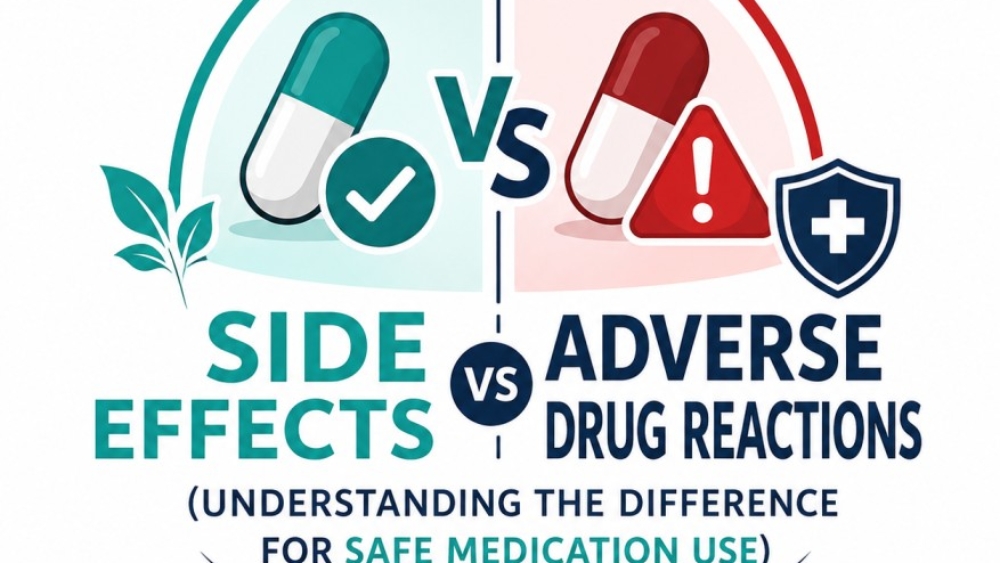
The impact of medicines on modern health care has been tremendous in preventing diseases, relieving symptoms, curing infectious diseases and improving the quality of life of millions of people. There would be very few diseases that are either treated or cured by medicines, including antibiotics, pain killers, vaccines and cancer treatment therapies. Medicines do come along with their share of risk factors associated with them. While there is no medicine without any risk, there will always be some side effects caused by these medicines. These side effects may be referred to as the unwanted effects caused by the medicine and sometimes referred to as adverse drug reactions (ADRs).
It is important to understand what side effects and adverse drug reactions mean, how they differ from each other and how to avoid such issues with the help of medicines. The knowledge about the difference between these two will help one to utilize medicines safely.
In this paper, the concepts of side effects and adverse drug reactions have been discussed along with the causes, examples and preventive methods.medicines.
What Are Side Effects?
Side effects are unexpected but anticipated effects of a medication apart from the intended therapeutic action. Side effects are often detected during clinical testing of a drug before approval for public consumption. Since side effects are anticipated in advance, they appear on the labeling of the drug.
The side effects can be favorable, neutral, or annoying. The reason behind their development is the effect of the drug on more than one organ system in the body.
For example:
- Drowsiness caused by antihistamines used for allergies.
- Dry mouth after taking certain antidepressants.
- Mild nausea following antibiotic treatment.
- Increased urination from diuretic medications.
- Temporary dizziness after taking blood pressure medicines.
Many side effects are mild and disappear as the body adjusts to the medication. Others may persist but remain manageable with dose adjustments or supportive care. Healthcare providers often weigh the expected benefits of a medication against its known side effects before prescribing it.
What Are Adverse Drug Reactions (ADRs)?
Adverse Drug Reaction (ADR) refers to an undesired, unexpected, and harmful reaction to a medication that arises from the use of a drug at the correct dosage in its prevention, treatment, and diagnosis of diseases. Adverse Drug Reactions differ from common side effects in that they are severe and sometimes need interventions such as hospitalization or withdrawal of the drug.
Some adverse drug reactions can be foreseen from the way the drug acts, whereas others arise unexpectedly due to allergies, genetics, or unique patient reactions.
Examples of ADRs include:
- Severe allergic reactions such as anaphylaxis.
- Liver damage caused by certain medications.
- Internal bleeding associated with blood-thinning drugs.
- Kidney injury resulting from prolonged use of some painkillers.
- Serious skin reactions such as Stevens-Johnson syndrome.
Because ADRs can threaten patient safety, they are closely monitored by healthcare authorities through pharmacovigilance programs even after medicines reach the market.
Side Effects vs Adverse Drug Reactions
Although both involve unwanted effects of medications, important differences exist between them.
Predictability:
Side effects are generally predictable and are known before a medicine is marketed. They are usually listed in drug information leaflets.
Adverse drug reactions may be predictable or unpredictable. Some become apparent only after a medicine has been used by large numbers of people over time.
Severity:
Most side effects are mild or moderate and rarely require stopping the medication.
ADRs are often more severe and may require emergency treatment, hospitalization, or permanent discontinuation of the drug.
Frequency:
Common side effects occur relatively frequently among patients taking a medication.
Many ADRs are rare but potentially life-threatening.
Clinical Impact:
Side effects may cause discomfort but often allow treatment to continue.
Adverse drug reactions usually interfere significantly with normal health and demand immediate medical evaluation.
Why Do Side Effects Occur?
Side effects arise because medicines often affect multiple organs, tissues, or receptors in the body. A drug designed to target one biological process may unintentionally influence another.
Several factors contribute to side effects:
Drug Mechanism:
Some side effects are directly related to the drug’s normal mechanism of action.
For instance, blood pressure medications lower blood pressure effectively but may also cause dizziness due to reduced blood flow to the brain when standing suddenly.
Dose:
Higher doses generally increase the likelihood and intensity of side effects.
Healthcare providers carefully determine doses that maximize benefits while minimizing unwanted effects.
Duration of Treatment:
Some side effects appear only after prolonged use of a medication.
Long-term corticosteroid therapy, for example, may contribute to osteoporosis, weight gain, or elevated blood sugar levels.
Causes of Adverse Drug Reactions
Unlike ordinary side effects, ADRs often involve additional biological factors.
Allergic Reactions:
The immune system mistakenly identifies the medication as a harmful substance and launches an immune response.
Symptoms may include:
- Skin rash
- Itching
- Swelling
- Difficulty breathing
- Severe anaphylaxis
Genetic Factors:
Genetic differences influence how individuals respond to medications.
Certain people metabolize drugs too slowly or too rapidly, increasing the risk of toxicity or reduced effectiveness.
Drug Interactions:
Taking multiple medications simultaneously may alter how drugs work, increasing the risk of adverse reactions.
Some herbal supplements and over-the-counter medicines also contribute to harmful drug interactions.
Organ Dysfunction:
Liver and kidney diseases reduce the body’s ability to process and eliminate medications.
Drug accumulation can lead to toxic reactions even when standard doses are used.
Age:
Children and older adults are more vulnerable to ADRs because of differences in metabolism, organ function, and sensitivity to medications.
Classification of Adverse Drug Reactions
Healthcare professionals often classify ADRs into several categories.
Type A (Augmented):
These reactions are predictable and related to the drug’s pharmacological action.
Examples include excessive bleeding from anticoagulants or low blood sugar from insulin.
Type B (Bizarre):
These reactions are unpredictable and unrelated to the usual drug action.
Drug allergies and severe immune reactions fall into this category.
Type C (Chronic):
These reactions result from long-term medication use.
Examples include steroid-induced osteoporosis or kidney damage after prolonged painkiller use.
Type D (Delayed):
These reactions occur months or even years after exposure.
Certain chemotherapy drugs may increase the long-term risk of developing secondary cancers.
Type E (End-of-Use):
These reactions occur after stopping a medication.
Sudden withdrawal of corticosteroids or certain antidepressants may produce withdrawal symptoms.
Common Examples:
Understanding real-life examples helps distinguish side effects from ADRs.
Example 1: Antibiotics
Side effect:
- Mild diarrhea or stomach upset.
Adverse drug reaction:
- Severe allergic reaction with breathing difficulty or widespread skin rash.
Example 2: Pain Relievers
Side effect:
- Mild stomach discomfort.
Adverse drug reaction:
- Serious stomach ulcer with internal bleeding.
Example 3: Antihistamines
Side effect:
- Sleepiness and dry mouth.
Adverse drug reaction:
- Severe allergic reaction to the medication itself.
Example 4: Blood Pressure Medicines
Side effect:
- Mild dizziness when standing.
Adverse drug reaction:
- Dangerous drop in blood pressure leading to collapse or shock.
Risk Factors for Medication Problems
Certain individuals face a greater risk of experiencing side effects or ADRs.
Important risk factors include:
- Advanced age
- Very young children
- Pregnancy
- Multiple chronic diseases
- Taking several medications simultaneously
- Previous drug allergies
- Liver disease
- Kidney disease
- Genetic differences affecting drug metabolism
- Incorrect medication use
Preventing Side Effects and Adverse Drug Reactions
Patient information leaflets explain common side effects, precautions, and warning signs that require medical attention.
Being informed allows patients to recognize problems early.
Avoid Self-Medication:
Using prescription medicines without medical supervision increases the risk of inappropriate dosing, interactions, and serious adverse reactions.
Attend Follow-Up Visits:
Regular monitoring allows healthcare providers to detect medication-related problems before they become severe.
Blood tests may be required for medicines affecting the liver, kidneys, or blood cells.
Pharmacovigilance: Monitoring Drug Safety
Even after medicines are approved, their safety continues to be monitored through pharmacovigilance.
Pharmacovigilance involves collecting, evaluating, and analyzing reports of adverse drug reactions from healthcare professionals and patients.
These reports help regulatory authorities:
- Detect previously unknown ADRs.
- Update drug safety information.
- Modify prescribing recommendations.
- Restrict or withdraw unsafe medicines when necessary.
- Improve patient safety worldwide.
When to Seek Immediate Medical Attention?
While many side effects are mild, certain symptoms require urgent medical evaluation.
Seek immediate medical help if you experience:
- Difficulty breathing
- Swelling of the face, lips, or throat
- Severe skin rash or blistering
- Persistent vomiting
- Blood in vomit or stool
- Sudden confusion
- Chest pain
- Loss of consciousness
- Yellowing of the skin or eyes
- Severe dizziness or fainting
The Importance of Patient Awareness
Patients are central to medication safety. Knowing the distinction between side effects and adverse drug reactions empowers patients to make informed choices about their treatment.
If patients experience mild side effects, they should discuss their concerns with their healthcare provider and not stop taking their medication right away. Sometimes side effects will improve over time or can be managed with simple adjustments. But the knowledge of red flags in case of severe ADRs guarantees prompt handling of potentially dangerous reactions by medical personnel.
Open communication between patients, doctors, pharmacists and nurses supports a safe healthcare environment and better treatment outcomes.