Made by pics art

Vaccines have been the greatest medical advances of mankind as they have helped billions of people survive life-threatening infections. Vaccination has helped eradicate smallpox and control other serious diseases such as poliomyelitis, measles, and hepatitis. Biotechnology in recent times has enabled the introduction of more advanced methods of developing vaccines which makes them more effective and quicker to develop.
The COVID-19 pandemic made people understand how important biotechnology is in dealing with global health crises. The scientists managed to develop highly efficient vaccines in less than a year which previously would take 10 to 15 years to complete. Such rapid progress in vaccine development was possible due to long years of advance in biotechnology and such biotechnological techniques as genetic engineering, recombinant DNA technology, messenger RNA (mRNA) technology, bioinformatics, and synthetic biology.
The present research paper aims to discuss the importance of biotechnology in vaccine development, the key biotechnological techniques used in this process, types of biotechnology-based vaccines, their pros and cons, as well as future prospects.
Biotechnology refers to the use of biological systems or organisms or the parts of organisms to produce beneficial products for improving the lives of humans, agriculture, industry, and the environment.
In vaccine development, the use of biotechnology enables scientists to examine the disease-causing microbes at a molecular level and develop vaccines based on genetic makeup rather than depending upon weakening or killing microbes. Such advanced methodologies have revolutionized the science of vaccine development.
Vaccines are able to activate the body’s immune system in order for it to recognize and attack the pathogens that can lead to diseases. Vaccines create immunity to disease without subjecting people to suffering from serious diseases.
The advantages of vaccination include the following:
Modern technology makes vaccines more specific and capable of dealing with diseases that previously could not be prevented.
Conventional vaccines were made using weakened or inactive viruses cultivated in laboratories. Though effective, it took many years of research, large-scale production of pathogens, and rigorous testing to develop these.
Biotechnology brought a new concept, where the genetic and molecular aspects of the pathogens, and not the whole organisms, were targeted.
Some significant advancements are:
The recombinant DNA technique includes cloning a gene from the disease-causing agent and transplanting it into some other organism that will manufacture specific proteins known as antigens.
Rather than using the entire virus, the only protein needed to stimulate immunity is used.
It is safe to say that messenger RNA (mRNA) vaccines have become the biggest achievement in biotechnology.
Unlike other vaccines which use injection of proteins, this kind of vaccine delivers genetic information which forces human body cells to create non-harmful viral proteins for some time.
In viral vector vaccines, researchers engineer non-harmful viruses to transport the DNA of dangerous pathogens . Once injected into the body, the vectors will release their genetic instructions for cells to manufacture specific antigens.
Protein subunit vaccines contain purified pieces of pathogens instead of whole microorganisms.
Scientists use biotechnology to manufacture these proteins using genetically engineered cells.
Synthetic biology combines biology, engineering, and computer science to design artificial biological systems.
Researchers can design optimized vaccine components without needing natural pathogens.
Applications include:
Bioinformatics uses computational tools to analyze genetic information from viruses and bacteria.
Scientists can rapidly identify vaccine targets by comparing pathogen genomes.
Bioinformatics supports:
Modern biotechnology has enabled the development of several innovative vaccine platforms.
These vaccines use genetically engineered proteins produced in microorganisms.
Examples include vaccines against Hepatitis B and HPV.
DNA vaccines deliver small pieces of pathogen DNA into human cells, allowing the body to produce protective antigens.
Although still under active research for widespread human use, DNA vaccines show promise due to their stability, rapid design, and cost-effectiveness.
These vaccines provide genetic instructions for temporary protein production, stimulating robust immune responses.
They offer flexibility and rapid manufacturing capabilities.
These vaccines use modified viruses as delivery systems for antigen genes.
They are effective in inducing both antibody and cellular immune responses.
Protein vaccines directly deliver purified pathogen proteins.
They provide strong safety profiles and have been successfully used against multiple infectious diseases.
Biotechnology has transformed vaccine production in many ways.
Traditional vaccine development often required over a decade.
Modern biotechnology platforms can produce vaccine candidates within weeks after identifying a pathogen’s genome.
Since many biotechnology vaccines do not contain live pathogens, they significantly reduce infection risks.
Scientists can target specific disease-causing proteins rather than exposing the immune system to the entire pathogen.
Biotechnology allows researchers to quickly modify vaccines when viruses mutate.
Advanced bioprocessing technologies enable millions of vaccine doses to be produced efficiently.
Modern biotechnology strengthens pandemic preparedness by enabling faster vaccine development during outbreaks.
Despite its remarkable progress, biotechnology faces several challenges.
Advanced research facilities, specialized equipment, and extensive clinical trials require significant financial investment.
Some biotechnology vaccines require ultra-low temperature storage, complicating distribution in low-resource regions.
Large-scale production demands sophisticated facilities and strict quality control standards.
False information regarding vaccine safety can reduce public confidence and vaccination rates.
Vaccines must undergo rigorous testing to ensure safety, efficacy, and quality before approval.
Artificial Intelligence (AI) is becoming an essential tool in vaccine development.
AI assists scientists by:
The future of vaccine biotechnology is highly promising.
Researchers are working on next-generation vaccines capable of protecting against multiple diseases simultaneously.
Emerging innovations include:
Scientists also envision rapid-response vaccine platforms that can produce effective vaccines within weeks of detecting new infectious diseases. As biotechnology continues to advance, vaccines will become increasingly personalized, effective, and globally accessible.
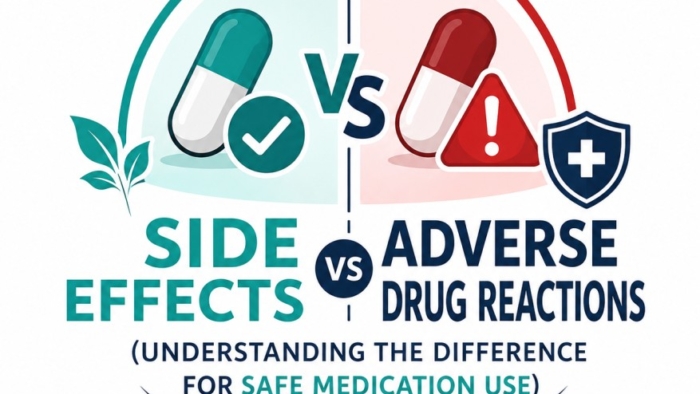
The impact of medicines on modern health care has been tremendous in preventing diseases, relieving symptoms, curing infectious diseases and improving the quality of life of millions of people. There would be very few diseases that are either treated or cured by medicines, including antibiotics, pain killers, vaccines and cancer treatment therapies. Medicines do come along with their share of risk factors associated with them. While there is no medicine without any risk, there will always be some side effects caused by these medicines. These side effects may be referred to as the unwanted effects caused by the medicine and sometimes referred to as adverse drug reactions (ADRs).
It is important to understand what side effects and adverse drug reactions mean, how they differ from each other and how to avoid such issues with the help of medicines. The knowledge about the difference between these two will help one to utilize medicines safely.
In this paper, the concepts of side effects and adverse drug reactions have been discussed along with the causes, examples and preventive methods.medicines.
Side effects are unexpected but anticipated effects of a medication apart from the intended therapeutic action. Side effects are often detected during clinical testing of a drug before approval for public consumption. Since side effects are anticipated in advance, they appear on the labeling of the drug.
The side effects can be favorable, neutral, or annoying. The reason behind their development is the effect of the drug on more than one organ system in the body.
For example:
Many side effects are mild and disappear as the body adjusts to the medication. Others may persist but remain manageable with dose adjustments or supportive care. Healthcare providers often weigh the expected benefits of a medication against its known side effects before prescribing it.
Adverse Drug Reaction (ADR) refers to an undesired, unexpected, and harmful reaction to a medication that arises from the use of a drug at the correct dosage in its prevention, treatment, and diagnosis of diseases. Adverse Drug Reactions differ from common side effects in that they are severe and sometimes need interventions such as hospitalization or withdrawal of the drug.
Some adverse drug reactions can be foreseen from the way the drug acts, whereas others arise unexpectedly due to allergies, genetics, or unique patient reactions.
Examples of ADRs include:
Because ADRs can threaten patient safety, they are closely monitored by healthcare authorities through pharmacovigilance programs even after medicines reach the market.
Although both involve unwanted effects of medications, important differences exist between them.
Side effects are generally predictable and are known before a medicine is marketed. They are usually listed in drug information leaflets.
Adverse drug reactions may be predictable or unpredictable. Some become apparent only after a medicine has been used by large numbers of people over time.
Most side effects are mild or moderate and rarely require stopping the medication.
ADRs are often more severe and may require emergency treatment, hospitalization, or permanent discontinuation of the drug.
Common side effects occur relatively frequently among patients taking a medication.
Many ADRs are rare but potentially life-threatening.
Side effects may cause discomfort but often allow treatment to continue.
Adverse drug reactions usually interfere significantly with normal health and demand immediate medical evaluation.
Side effects arise because medicines often affect multiple organs, tissues, or receptors in the body. A drug designed to target one biological process may unintentionally influence another.
Several factors contribute to side effects:
Some side effects are directly related to the drug’s normal mechanism of action.
For instance, blood pressure medications lower blood pressure effectively but may also cause dizziness due to reduced blood flow to the brain when standing suddenly.
Higher doses generally increase the likelihood and intensity of side effects.
Healthcare providers carefully determine doses that maximize benefits while minimizing unwanted effects.
Some side effects appear only after prolonged use of a medication.
Long-term corticosteroid therapy, for example, may contribute to osteoporosis, weight gain, or elevated blood sugar levels.
Unlike ordinary side effects, ADRs often involve additional biological factors.
The immune system mistakenly identifies the medication as a harmful substance and launches an immune response.
Symptoms may include:
Genetic differences influence how individuals respond to medications.
Certain people metabolize drugs too slowly or too rapidly, increasing the risk of toxicity or reduced effectiveness.
Taking multiple medications simultaneously may alter how drugs work, increasing the risk of adverse reactions.
Some herbal supplements and over-the-counter medicines also contribute to harmful drug interactions.
Liver and kidney diseases reduce the body’s ability to process and eliminate medications.
Drug accumulation can lead to toxic reactions even when standard doses are used.
Children and older adults are more vulnerable to ADRs because of differences in metabolism, organ function, and sensitivity to medications.
Healthcare professionals often classify ADRs into several categories.
These reactions are predictable and related to the drug’s pharmacological action.
Examples include excessive bleeding from anticoagulants or low blood sugar from insulin.
These reactions are unpredictable and unrelated to the usual drug action.
Drug allergies and severe immune reactions fall into this category.
These reactions result from long-term medication use.
Examples include steroid-induced osteoporosis or kidney damage after prolonged painkiller use.
These reactions occur months or even years after exposure.
Certain chemotherapy drugs may increase the long-term risk of developing secondary cancers.
These reactions occur after stopping a medication.
Sudden withdrawal of corticosteroids or certain antidepressants may produce withdrawal symptoms.
Understanding real-life examples helps distinguish side effects from ADRs.
Side effect:
Adverse drug reaction:
Side effect:
Adverse drug reaction:
Side effect:
Adverse drug reaction:
Side effect:
Adverse drug reaction:
Certain individuals face a greater risk of experiencing side effects or ADRs.
Important risk factors include:
Patient information leaflets explain common side effects, precautions, and warning signs that require medical attention.
Being informed allows patients to recognize problems early.
Using prescription medicines without medical supervision increases the risk of inappropriate dosing, interactions, and serious adverse reactions.
Regular monitoring allows healthcare providers to detect medication-related problems before they become severe.
Blood tests may be required for medicines affecting the liver, kidneys, or blood cells.
Even after medicines are approved, their safety continues to be monitored through pharmacovigilance.
Pharmacovigilance involves collecting, evaluating, and analyzing reports of adverse drug reactions from healthcare professionals and patients.
These reports help regulatory authorities:
While many side effects are mild, certain symptoms require urgent medical evaluation.
Seek immediate medical help if you experience:
Patients are central to medication safety. Knowing the distinction between side effects and adverse drug reactions empowers patients to make informed choices about their treatment.
If patients experience mild side effects, they should discuss their concerns with their healthcare provider and not stop taking their medication right away. Sometimes side effects will improve over time or can be managed with simple adjustments. But the knowledge of red flags in case of severe ADRs guarantees prompt handling of potentially dangerous reactions by medical personnel.
Open communication between patients, doctors, pharmacists and nurses supports a safe healthcare environment and better treatment outcomes.
All medication has a purpose either to relieve pain, reduce high blood pressure, eliminate infections, or treat chronic conditions. However, have you ever wondered how all these drugs operate inside our body? How come some drugs are useful for reducing high temperature while others help treat diabetes? It all has to do with an interesting branch of pharmacology called pharmacodynamics.
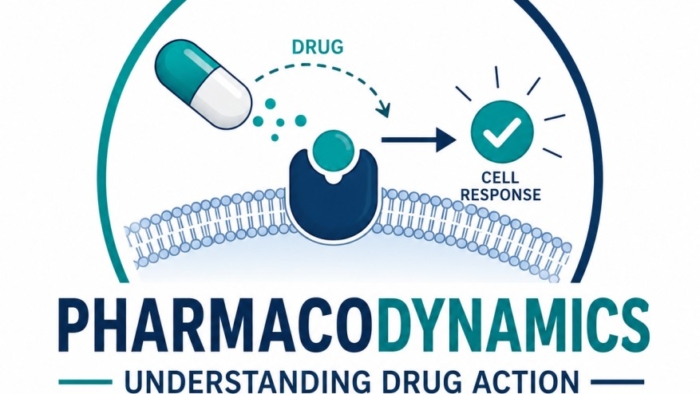
Pharmacodynamics is the study of the way drugs influence the biological system. This science studies the interactions between a drug and a biological system and describes the ways drugs cause their effects – both desired and undesired ones. Pharmacodynamics knowledge allows physicians to prescribe medication safely, researchers to create better drugs, and people to understand why adherence to dosages is so vital.
With the advancement of modern medicine toward personalized approaches and specific therapies, pharmacodynamics becomes increasingly significant. The current paper discusses the concepts of pharmacodynamics.
The science of Pharmacodynamics is defined as the study of the effects of the drug on the organism together with the ways these effects are produced. In simple terms, this science asks the following question: “What does the drug do to the body?”
It deals with the effects of the drug interaction with the organism’s receptors, enzymes, ion channels, etc., producing either therapeutic or adverse effects on the body. Another important aspect of this science includes the examination of the effect of drug dose on the body’s response to the medication.
Pharmacodynamics differs from pharmacokinetics that studies the processes of absorption, distribution, metabolism and excretion of the drug.
Several key principles form the foundation of pharmacodynamics.
Many drugs exert their effects via interactions with particular proteins known as receptors. Receptors can be found on the surface or within the cells and usually function in response to certain naturally occurring chemicals like hormones and neurotransmitters.
If a drug interacts with a receptor, it may cause activation or inhibition of that receptor. The biological response elicited by the drug will vary based on the type of receptor and the characteristics of the drug.
The drug-receptor interaction can be likened to the lock and key model because only the right drug will interact with the receptor.
The dose-response relationship describes how the body’s response changes with different drug doses.
Generally, increasing the dose increases the therapeutic effect until a maximum response is reached. Beyond this point, higher doses may not improve effectiveness but can significantly increase the risk of side effects or toxicity.
This relationship helps healthcare professionals determine:
Drug receptors are specialized proteins that recognize and bind specific molecules. They play a central role in pharmacodynamics because most medications exert their effects through receptor interactions.
The major receptor types include:
These are among the most common drug targets. They regulate numerous physiological processes, including heart rate, hormone release, and nervous system activity.
Many medications used for asthma, hypertension, and allergies work by acting on GPCRs.
Ion channels control the movement of ions such as sodium, potassium, and calcium across cell membranes.
Drugs targeting these receptors help treat epilepsy, heart rhythm disorders, and pain.
These receptors initiate cellular responses by activating enzymes after drug binding.
Certain anticancer medications work by targeting enzyme-linked receptors involved in cell growth.
Some drugs cross the cell membrane and bind receptors inside the cell. These receptors often regulate gene expression.
Steroid hormones such as corticosteroids act through intracellular receptors.
Drugs can produce different effects depending on how they interact with receptors.
Agonists bind to receptors and activate them, producing a biological response similar to the body’s natural chemicals.
For example, salbutamol acts as an agonist on beta-2 receptors, relaxing airway muscles and improving breathing during asthma attacks.
Antagonists bind to receptors but do not activate them. Instead, they block the action of natural substances or other drugs.
An example is antihistamines, which block histamine receptors to reduce allergy symptoms
Partial agonists activate receptors but produce a weaker response than full agonists. They can provide therapeutic benefits while reducing the risk of excessive stimulation.
Inverse agonists produce effects opposite to those of agonists by reducing the natural activity of certain receptors. These drugs are useful in specific neurological and cardiovascular conditions.
Two important pharmacodynamic concepts are potency and efficacy.
Potency refers to the amount of drug required to produce a particular effect.
A highly potent drug produces the desired response at a lower dose than a less potent drug.
However, higher potency does not necessarily mean the drug is better.
Efficacy refers to the maximum effect a drug can produce regardless of dose.
A highly efficacious drug produces a greater therapeutic response than one with lower efficacy.
Doctors consider both potency and efficacy when selecting medications for patients.
Safety is a major concern in drug therapy. The therapeutic index compares the effective dose with the toxic dose of a drug.
A high therapeutic index indicates a wide margin of safety, while a low therapeutic index means careful monitoring is required.
Drugs such as warfarin, digoxin, and lithium have narrow therapeutic indices and require regular monitoring to prevent toxicity.
Many factors influence how individuals respond to medications.
Children and elderly patients often respond differently to drugs because of physiological differences and changes in receptor sensitivity.
Genetic variations can alter receptor structure or function, making some individuals more or less responsive to specific medications.
Pharmacogenomics is an emerging field that studies these genetic differences to personalize drug therapy.
Diseases affecting the liver, kidneys, heart, or endocrine system can alter drug responses by changing receptor function or physiological processes.
Some medications enhance or reduce the effects of other drugs.
These interactions may improve treatment or increase the risk of adverse reactions.
Repeated use of certain medications may reduce their effectiveness over time, requiring higher doses to achieve the same effect.
Tolerance commonly develops with opioids and certain sedatives.
No medication is completely free from side effects.
These are the intended beneficial effects of a drug.
Examples include:
Side effects are unintended effects that occur alongside therapeutic benefits.
Some side effects are mild, such as drowsiness or dry mouth, while others may be serious or life-threatening.
Understanding pharmacodynamics helps researchers design drugs that maximize therapeutic effects while minimizing unwanted reactions.
An ideal drug would act only on its intended target without affecting other tissues.
Drug selectivity refers to the preference of a drug for a particular receptor or tissue.
Highly selective drugs generally produce fewer side effects because they avoid unwanted interactions with other receptors.
However, no drug is perfectly selective, especially at higher doses.
The body can adjust receptor numbers in response to prolonged drug exposure.
When receptors are blocked for extended periods, cells may produce more receptors to compensate.
Stopping certain medications suddenly may therefore produce exaggerated responses.
Continuous stimulation by agonists can decrease receptor numbers or sensitivity.
This process contributes to drug tolerance and reduced effectiveness over time.
Understanding receptor regulation helps healthcare providers adjust treatment strategies appropriately.
Pharmacodynamics plays an essential role in clinical medicine.
Healthcare professionals choose medications based on their pharmacodynamic properties to ensure the best therapeutic outcome.
Knowledge of receptor sensitivity, genetics, and disease conditions allows personalized treatment plans tailored to individual patients.
Understanding dose-response relationships helps determine the most effective dosage while minimizing toxicity.
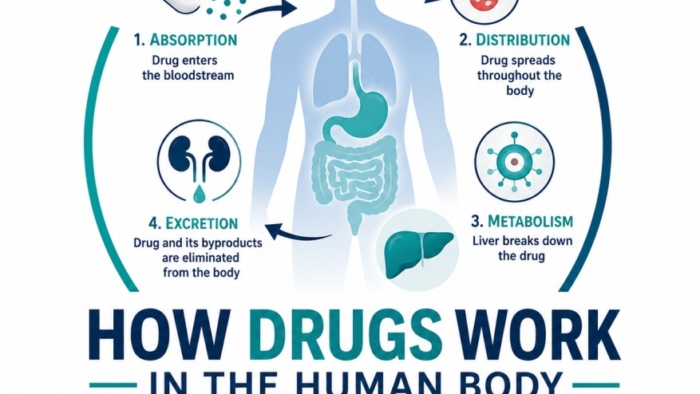
Every day, millions of people take medications to relieve pain, fight infections, manage chronic diseases, or improve their overall health. Whether it’s a simple headache tablet or a life-saving cancer treatment, every drug follows a fascinating journey through the human body before it produces its intended effects. Understanding how drugs work not only helps patients appreciate the importance of proper medication use but also promotes safer and more effective treatment.
In this article, we’ll explore the science behind how drugs interact with the human body, from the moment they are taken until they are eliminated. We’ll also discuss the factors that influence drug effectiveness and why following medical advice is essential.
A drug is any chemical substance that changes the way the body functions. Drugs can be used to prevent, diagnose, treat, or cure diseases. Some medications relieve symptoms, while others target the underlying cause of an illness.
Drugs come in many forms, including:
Each type of medication is designed to deliver the active ingredient to a specific part of the body or into the bloodstream.
After a drug enters the body, it goes through four important stages commonly known as ADME:
These processes determine how much of the drug reaches its target, how long it stays active, and when it leaves the body.
Absorption is the process by which a drug enters the bloodstream after administration.
The route of administration greatly affects how quickly a drug is absorbed.
Oral medications are swallowed and pass through the stomach into the small intestine, where most absorption occurs. The small intestine has a large surface area and rich blood supply, making it highly effective at absorbing drugs.
Injected drugs often enter the bloodstream much faster because they bypass the digestive system. Intravenous (IV) injections provide immediate drug delivery, while intramuscular and subcutaneous injections release medication more gradually.
Inhaled medications reach the lungs and are absorbed rapidly because of the lungs’ extensive network of blood vessels.
Topical medications applied to the skin are generally absorbed slowly and often work locally rather than throughout the body.
Several factors influence absorption, including:
For example, some antibiotics should be taken on an empty stomach because food can reduce their absorption.
After absorption, the bloodstream carries the drug throughout the body. This process is called distribution.
Blood acts as the body’s transportation system, delivering drugs to various organs and tissues. However, drugs are not distributed equally throughout the body.
Several factors influence distribution, including:
Some organs, such as the liver, kidneys, and brain, receive a rich blood supply, allowing drugs to reach them quickly.
Certain protective barriers also influence drug distribution. One of the most important is the blood-brain barrier, which prevents many drugs from entering the brain while allowing only selected substances to pass.
Metabolism refers to the chemical alteration of drugs inside the body.
The liver is the primary organ responsible for drug metabolism. Liver enzymes convert drugs into forms that are easier for the body to eliminate.
Drug metabolism generally occurs in two phases.
During this phase, enzymes chemically modify drug molecules through oxidation, reduction, or hydrolysis. These reactions often make drugs more water-soluble.
In this phase, the modified drug combines with another substance such as glucuronic acid or sulfate, making it even easier to eliminate through urine or bile.
Some drugs become inactive after metabolism, while others become active only after being metabolized. Such medicines are called prodrugs.
Individual differences in liver enzyme activity can significantly affect how quickly drugs are metabolized.
After producing their therapeutic effects, drugs and their metabolites must leave the body.
The kidneys are the primary organs responsible for drug excretion through urine.
Other routes include:
The speed of drug elimination determines how long a medication remains effective.
Patients with kidney disease often require lower doses because drugs may accumulate in the body and cause toxicity.
While pharmacokinetics explains the movement of drugs through the body, pharmacodynamics describes how drugs actually work.
Most drugs produce their effects by interacting with specialized proteins called receptors.
A receptor functions like a lock, while the drug acts as the key. When the correct drug binds to its receptor, it triggers biological responses that lead to therapeutic effects.
Examples include:
Different drugs act on different receptors depending on the disease being treated.
Drug action depends largely on receptor binding.
There are several types of interactions.
Agonists bind to receptors and activate them, producing a biological response.
For example, insulin acts on insulin receptors to lower blood glucose levels.
Antagonists bind to receptors but prevent their activation.
For example, antihistamines block histamine receptors to reduce allergic reactions.
Partial agonists activate receptors but produce weaker responses than full agonists.
These drugs are useful when complete receptor stimulation is not desirable.
Not all drugs act on receptors.
Some medicines work by blocking enzymes that carry out important chemical reactions.
Examples include:
Enzyme inhibition can effectively slow or stop disease processes.
No two individuals respond to medicines in exactly the same way.
Several factors influence drug effectiveness.
Children and older adults often process drugs differently due to changes in organ function.
Body size influences drug distribution and dosage requirements.
Inherited genetic differences affect drug metabolism and receptor sensitivity.
Liver diseases reduce drug metabolism, increasing the risk of toxicity.
Poor kidney function slows drug elimination.
Certain foods increase or decrease drug absorption.
Some medicines affect the action of others.
Interactions may increase toxicity, reduce effectiveness, or produce unexpected side effects.
Every medication has both desired and undesired effects.
These are the beneficial actions for which the drug is prescribed.
Examples include:
Side effects are unintended responses that occur alongside therapeutic effects.
Common side effects include:
Most side effects are mild and temporary, although some medicines may produce serious adverse reactions requiring immediate medical attention.
Drug half-life is the time required for the amount of a drug in the bloodstream to decrease by half.
Half-life determines:
Drugs with short half-lives require more frequent dosing, whereas drugs with long half-lives may be taken once daily or even less frequently.
The therapeutic index measures the safety of a drug by comparing its effective dose with its toxic dose.
A high therapeutic index indicates a relatively safe medication.
A low therapeutic index means that even small dosing errors may lead to toxicity, requiring careful monitoring.
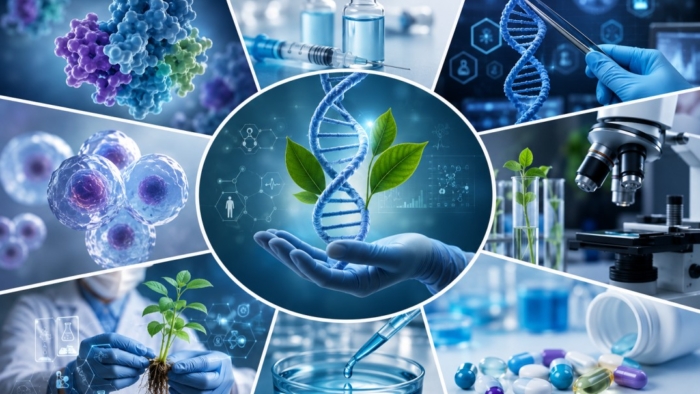
Biotechnology plays a vital role in improving healthcare by using living organisms, cells, and biological processes to develop medical products and treatments. One major application is the production of vaccines, which help prevent diseases such as COVID-19, hepatitis, and polio. Biotechnology is also used to manufacture recombinant proteins like insulin for diabetes treatment and growth hormones for various disorders.
In diagnostics, advanced techniques such as PCR and genetic testing enable early and accurate detection of diseases. Gene therapy is another important application, where defective genes are replaced or corrected to treat genetic disorders. Biotechnology contributes to the development of monoclonal antibodies used in treating cancers, autoimmune diseases, and infections. Tissue engineering and stem cell therapy help repair or replace damaged tissues and organs. Additionally, biotechnology supports personalized medicine by tailoring treatments based on an individual’s genetic makeup. Overall, biotechnology has revolutionized healthcare by enhancing disease prevention, diagnosis, treatment, and patient care outcomes worldwide.
Biotechnology plays an important role in vaccine development by helping scientists identify disease-causing organisms and create effective vaccines. Techniques such as recombinant DNA technology and genetic engineering are used to produce safer vaccines with fewer side effects. Biotechnology enables the development of advanced vaccines, including mRNA and subunit vaccines. It also supports large-scale vaccine production, quality control, and testing. The rapid development of COVID-19 vaccines demonstrated how biotechnology can accelerate vaccine research and improve global public health.
Genetic Testing and Disease Diagnosis is the process of analyzing an individual’s DNA, genes, chromosomes, or proteins to identify genetic changes associated with diseases or inherited conditions. It helps healthcare professionals detect, confirm, or predict genetic disorders and assess an individual’s risk of developing certain diseases. Genetic testing is used for diagnosing inherited conditions, prenatal screening, newborn screening, carrier testing, and personalized medicine. By identifying specific genetic mutations, it enables early detection, accurate diagnosis, and appropriate treatment planning. It also helps families understand inherited health risks and make informed medical and reproductive decisions. Advances in genomic technologies have made genetic testing an essential tool in modern healthcare.
A woman with a family history of breast cancer undergoes genetic testing. The test reveals a mutation in the BRCA1 Gene gene, which is associated with a higher risk of breast and ovarian cancer. Based on this result, doctors can diagnose a hereditary cancer predisposition, recommend regular screenings, and suggest preventive measures or treatments. This early diagnosis helps reduce the risk of developing advanced cancer and allows family members to consider testing as well.
Personalized medicine is a healthcare approach that tailors medical treatment, prevention, and diagnosis to an individual’s unique genetic makeup, lifestyle, environment, and health history. By using genetic and molecular information, it helps predict disease risk, select the most effective therapies, and reduce adverse drug reactions. Personalized medicine improves patient outcomes by providing targeted treatments rather than a one-size-fits-all approach. It is widely used in areas such as cancer care, pharmacogenomics, and chronic disease management.
A patient diagnosed with breast cancer undergoes genetic testing of the tumor. The results show that the cancer cells overexpress the HER2 Gene protein. Based on this genetic information, doctors prescribe Trastuzumab (Herceptin), a targeted therapy specifically effective against HER2-positive breast cancer. Instead of using a general treatment approach, the therapy is customized to the patient’s genetic profile, improving treatment effectiveness and reducing unnecessary side effects. This is a practical example of personalized medicine.
Production of Biopharmaceuticals is the process of developing and manufacturing medicines using living organisms, cells, or biological systems rather than traditional chemical synthesis. Biopharmaceuticals include therapeutic proteins, monoclonal antibodies, vaccines, hormones, and gene-based therapies used to treat various diseases. The production process involves identifying a target gene, inserting it into host cells such as bacteria, yeast, or mammalian cells, and cultivating these cells under controlled conditions to produce the desired biological product. The product is then purified, tested for quality, safety, and efficacy, and formulated for medical use. Biopharmaceutical production relies heavily on biotechnology and genetic engineering techniques, enabling the large-scale manufacture of complex medicines for conditions such as cancer, diabetes, autoimmune disorders, and infectious diseases.
Biotechnology enables the production of biopharmaceuticals, which are medicines derived from biological sources. These drugs are often more effective and targeted than traditional medications.
Biopharmaceuticals provide targeted treatment with improved effectiveness and fewer side effects.
Regenerative Medicine and Stem Cell Therapy is a branch of biomedical science that focuses on repairing, replacing, or regenerating damaged tissues, organs, and cells to restore normal function. It uses stem cells, which have the unique ability to develop into different types of specialized cells, making them valuable for treating injuries and diseases. Stem cell therapy involves transplanting or stimulating stem cells to repair damaged tissues caused by conditions such as spinal cord injuries, heart disease, diabetes, and neurodegenerative disorders. Regenerative medicine also includes tissue engineering and gene therapy techniques. This field offers promising solutions for conditions that currently have limited treatment options and aims to improve patient recovery and quality of life.
A patient suffering from leukemia receives a bone marrow transplant, a common form of stem cell therapy. Healthy blood-forming stem cells from a donor are transplanted into the patient’s body after diseased bone marrow is destroyed. These stem cells regenerate new, healthy blood cells and restore the function of the bone marrow. This treatment helps the patient produce normal red blood cells, white blood cells, and platelets, improving recovery and survival. The procedure is a well-known example of regenerative medicine because it uses stem cells to repair and replace damaged tissues and restore normal body function.
Biotechnology has introduced advanced methods for cancer diagnosis and treatment. Biotechnology has revolutionized cancer treatment through innovative therapies and diagnostic tools.
These treatments target cancer cells more precisely, reducing damage to healthy tissues and improving patient survival rates.
Tissue engineering combines biotechnology with medical science to create artificial tissues and organs that can replace damaged body parts.
Researchers continue to explore ways to develop functional organs for transplantation using biotechnological methods.
Biotechnology offers numerous advantages in modern medicine.
The future of biotechnology is promising, with ongoing advancements in artificial intelligence, genomics, regenerative medicine, and precision healthcare. Emerging technologies are expected to provide more effective treatments, earlier disease detection, and innovative solutions for complex medical conditions.
Researchers are working toward breakthroughs that could lead to personalized therapies, organ regeneration, and improved management of chronic diseases, further transforming the healthcare industry.
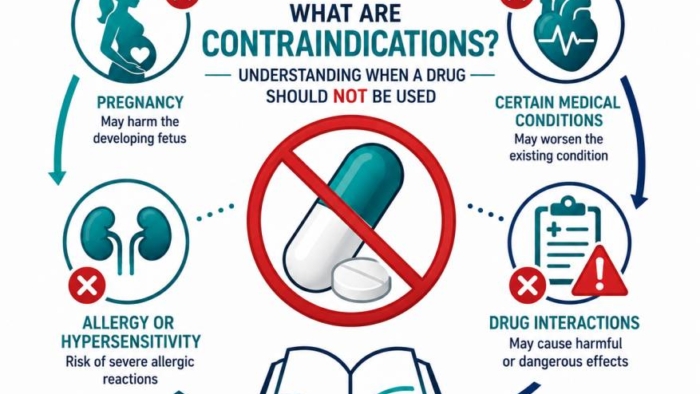
Modern medicine has made tremendous progress in terms of prevention, diagnosis, and treatment of various diseases. On a daily basis, millions of people use different drugs to cope with chronic diseases, ease their pain, treat various infections, and enhance their well-being. But not all drugs are meant to be used by everyone. A certain medicine can be effective for one person but dangerous for another because of specific diseases, allergic reactions, age, pregnancy, or combination with other drugs. Here comes the role of contraindications.
Contraindications belong to the main principles of proper medication use. They enable healthcare providers to recognize circumstances when taking a particular drug, conducting a medical procedure, or undergoing some treatment is not recommended because of its risks outweighing possible advantages. Contraindications knowledge enables reducing the risk of adverse drug reactions and possible complications.
The current article is devoted to the explanation of what contraindications are, their types, examples, causes, importance, and how contraindications are evaluated by healthcare specialists prior to prescribing medications.
A contraindication is a specific condition, disease, circumstance, or factor that makes the use of a particular medication, treatment, or medical procedure inappropriate because it may cause harm to the patient.
In simple terms, a contraindication serves as a warning that a medicine should either not be used at all or should only be used with great caution. Contraindications are identified through clinical research, medical evidence, and years of patient safety monitoring.
Healthcare providers always review a patient’s medical history before prescribing medication to determine whether any contraindications exist.
Contraindications play a vital role in ensuring patient safety. Ignoring them can lead to severe health complications, treatment failure, or even life-threatening situations.
The importance of contraindications includes:
Contraindications are generally divided into two major categories: absolute contraindications and relative contraindications.
An absolute contraindication means that a drug or treatment should never be used because the risk of serious harm is extremely high.
In these situations, healthcare providers must choose an alternative therapy.
Examples include:
Absolute contraindications are considered non-negotiable because patient safety is the highest priority.
A relative contraindication means that a medication may still be used if the expected benefits outweigh the potential risks.
The healthcare provider carefully evaluates the patient’s condition before making a decision.
Examples include:
Several factors can create contraindications for medications.
Drug allergies are among the most common reasons for contraindications. Allergic reactions can range from mild skin rashes to severe anaphylactic shock.
Healthcare providers always ask about previous allergic reactions before prescribing medication.
Some medications can cross the placenta and affect fetal development. Certain drugs may increase the risk of birth defects, miscarriage, or developmental problems.
Therefore, pregnancy is an important consideration when selecting medications.
Many drugs pass into breast milk and may affect nursing infants. Some medications are considered safe, while others should be avoided or used only under medical supervision.
Certain diseases increase the likelihood that a medication could cause harm.
Examples include:
Healthcare providers adjust treatment plans according to these conditions.
Children and older adults often process medications differently from healthy adults.
Older adults may experience slower drug metabolism, while children require specially calculated doses based on body weight.
Some medications should not be taken together because they alter each other’s effects.
Drug interactions may:
A complete medication history helps prevent harmful interactions.
Understanding practical examples makes the concept easier to grasp.
Aspirin may be contraindicated in patients who:
NSAIDs should be used cautiously in individuals with:
Anticoagulant medications may be contraindicated in patients with active internal bleeding or severe bleeding disorders.
Some antibiotics should not be prescribed to patients with known allergies to that antibiotic class.
Others may be avoided during pregnancy because of potential fetal risks.
Live vaccines are generally contraindicated in individuals with severely weakened immune systems because they may cause infection instead of protection.
Although these terms are often used together, they have different meanings.
A contraindication indicates that a drug should not be used because the potential harm is significant.
A precaution means extra care should be taken during treatment, but the medication may still be appropriate with close monitoring.
For example, mild kidney impairment may require a lower drug dose rather than complete avoidance.
Understanding this distinction helps healthcare providers make informed prescribing decisions.
Before prescribing medication, healthcare professionals gather detailed information about the patient.
This includes:
This comprehensive evaluation helps identify potential contraindications and ensures that the safest treatment option is selected.
Modern healthcare systems increasingly use electronic medical records (EMRs) to improve medication safety.
Many prescribing systems automatically alert healthcare providers if:
These computerized safety systems have significantly reduced medication errors worldwide.
Children are not simply small adults. Their organs are still developing, making them more sensitive to certain medications.
Pediatric dosing requires careful calculation based on age and body weight.
Age-related changes in liver function, kidney function, and body composition affect how medications behave in older adults.
Polypharmacy—the use of multiple medications—also increases the risk of contraindications and drug interactions.
Medication safety during pregnancy requires careful consideration because drugs may affect both the mother and the developing fetus.
Only medications with well-established safety profiles should be used whenever possible.
Individuals with diabetes, heart disease, kidney disease, liver disease, or respiratory disorders often require individualized medication plans to avoid contraindications.
Yes. Contraindications may change as new research becomes available or as a patient’s health status changes.
For example:
Healthcare professionals continually update their knowledge to provide the safest care.
Patients play an important role in medication safety by communicating openly with healthcare providers.
Helpful practices include:
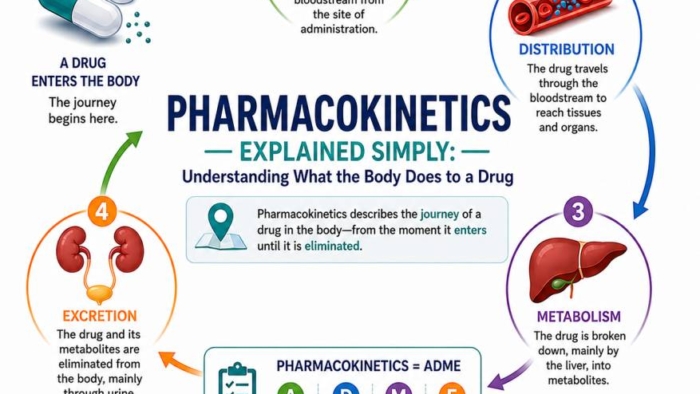
Every medicine taken to treat an illness follows a fascinating journey inside the human body. Whether it is a tablet swallowed with water, an injection administered into a vein, or an inhaler used to relieve asthma symptoms, the medication must travel through several stages before it can produce its intended effect. Understanding this journey is the foundation of pharmacokinetics, one of the most important concepts in pharmacology.
Pharmacokinetics explains what the body does to a drug after it enters the body. It describes how a medicine is absorbed, distributed, metabolized, and eventually eliminated. These four processes determine how quickly a drug starts working, how strong its effects will be, how long it remains active, and when it leaves the body.
For healthcare professionals, pharmacokinetics is essential for selecting the right drug, dose, and dosing schedule. For patients, understanding these basic principles helps explain why medications must be taken exactly as prescribed. This article explains pharmacokinetics in simple language, making it easy for students, healthcare workers, and anyone interested in learning how medicines work inside the body.
Pharmacokinetics is the branch of pharmacology that studies the movement of drugs through the body over time. It examines how the body absorbs, transports, changes, and removes medications after they are administered.
A simple way to remember pharmacokinetics is by the acronym ADME, which represents the four major stages of a drug’s journey:
Every patient responds differently to medication. Factors such as age, body weight, genetics, liver function, kidney health, and the presence of other diseases can all influence how drugs behave inside the body.
Understanding pharmacokinetics helps healthcare professionals:
Absorption is the process by which a drug moves from the site where it is administered into the bloodstream.
Once a medicine reaches the bloodstream, it can be transported throughout the body to its target tissues.
The route by which a medication enters the body greatly influences how quickly absorption occurs.
Common routes include:
Intravenous medications bypass the absorption stage because they are delivered directly into the bloodstream, producing rapid effects.
Several factors influence how well a drug is absorbed, including:
After entering the bloodstream, the drug is transported throughout the body. This movement is called distribution.
The circulatory system carries drugs to various organs, tissues, and cells where they produce therapeutic effects.
However, drugs do not spread evenly throughout the body. Some accumulate in fatty tissues, while others remain mainly in the bloodstream or concentrate in specific organs.
Several factors determine how widely a drug is distributed:
Highly protein-bound drugs remain in the bloodstream longer, whereas unbound drugs can move more easily into tissues.
The body contains natural barriers that limit drug distribution.
One of the most important is the blood-brain barrier, which protects the brain by allowing only certain substances to pass through. This barrier prevents many medications and harmful chemicals from entering the brain.
Similarly, the placental barrier limits—but does not completely prevent—the passage of drugs from a pregnant woman to the developing fetus.
Metabolism is the process by which the body chemically changes drugs into forms that are easier to eliminate.
The liver is the primary organ responsible for drug metabolism because it contains specialized enzymes capable of modifying many different medications.
In the first phase, liver enzymes alter the drug through chemical reactions such as oxidation, reduction, or hydrolysis. These changes often prepare the drug for the next stage of metabolism.
During the second phase, the drug or its metabolites combine with naturally occurring substances such as glucuronic acid or sulfate. This process increases water solubility, making elimination easier.
Some drugs become inactive after metabolism and lose their therapeutic effects. Others are converted into active forms that produce the desired medical response. These medications are known as prodrugs.
The speed of metabolism varies from person to person due to genetic differences, age, liver function, and interactions with other medications.
Excretion is the removal of drugs and their metabolites from the body after they have produced their therapeutic effects.
The kidneys are the primary organs responsible for drug elimination through urine.
Other routes of excretion include:
Bioavailability refers to the proportion of an administered drug that reaches the bloodstream in an active form.
Intravenous drugs have 100% bioavailability because they enter the circulation directly.
Oral medications often have lower bioavailability because part of the drug may be destroyed in the digestive tract or metabolized by the liver before reaching the bloodstream. This process is known as the first-pass effect.
Higher bioavailability generally results in more predictable therapeutic effects.
Drug half-life is the time required for the concentration of a medication in the bloodstream to decrease by half.
Half-life influences:
For example, a medicine with a short half-life may need to be taken several times a day, while a drug with a long half-life may only require one daily dose.
The therapeutic window is the range of drug concentrations that produces the desired medical effect without causing significant side effects.
If drug levels fall below this range, treatment may be ineffective. If levels rise above it, toxicity becomes more likely.
Some medications have a wide therapeutic window, making them relatively safe. Others have a narrow therapeutic window and require close monitoring to ensure patient safety.
Many factors influence how drugs move through the body.
Newborns and older adults often metabolize and eliminate drugs more slowly than healthy adults, requiring dose adjustments.
Differences in body fat and muscle mass affect drug distribution and dosage requirements.
Since the liver is responsible for drug metabolism, liver disease can slow drug breakdown and increase the risk of toxicity.
Reduced kidney function delays drug excretion, allowing medications to accumulate in the body.
Inherited genetic variations influence enzyme activity, affecting how quickly drugs are metabolized.
Some foods enhance drug absorption, while others reduce it or interfere with metabolism. Healthcare providers often recommend taking certain medicines with food and others on an empty stomach.
Taking multiple medications can alter absorption, metabolism, or elimination. Some drugs increase the effects of others, while some reduce their effectiveness.
Knowledge of pharmacokinetics is applied every day in clinical practice.
Healthcare professionals use pharmacokinetic principles to:
hrwhighgh ighowrhghwrg hiwurhwhighwig ihgohw ogwr howrhgowhg ri2efh we fui2griuqeqe f2 e2er9713h 2yt t2r13r e fy12g1